Mastering the Basics: The Ultimate Guide to Multi-Muscle Exercises
In the modern fitness landscape, where time is often the scarcest resource, efficiency becomes the ultimate goal. Whether you are a seasoned athlete looking to break through a plateau or a beginner stepping into the gym for the first time, the foundation of your success lies in one fundamental concept: multi-muscle exercises. Also known as compound movements, these exercises involve multiple joints and engage several muscle groups simultaneously. Unlike isolation exercises—which focus on a single muscle—multi-muscle movements provide a high-octane stimulus that transforms your body more effectively and functionally.
At Train Hous Fitness, we believe that training should prepare you for life. Life rarely asks you to isolate your biceps; instead, it asks you to squat down to pick up a heavy box, push open a heavy door, or pull yourself up. By focusing on compound movements, you aren’t just building aesthetics; you are building a capable, resilient body.
The Science Behind Compound Movements
Why are multi-muscle exercises considered the "gold standard" of strength training? The answer lies in the physiological and metabolic demands they place on the body.
1. Superior Caloric Burn
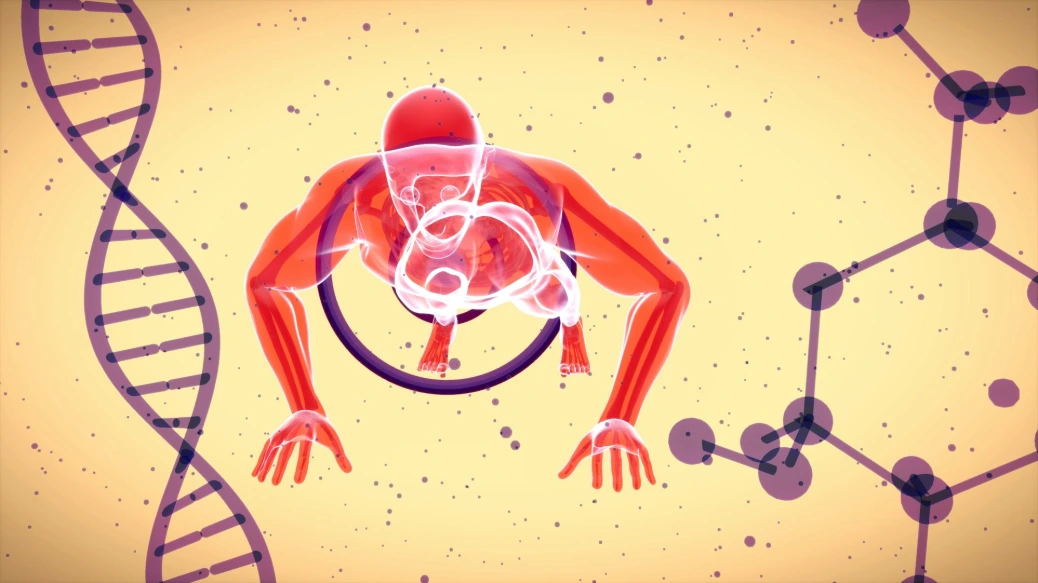
Because you are engaging larger muscle masses across multiple joints, the energy cost of performing a compound lift is significantly higher than that of an isolation movement. A heavy set of squats requires more oxygen and fuel than a set of leg extensions. This "metabolic cost" translates into more calories burned during the workout and a heightened metabolic rate for hours afterward as your body works to repair the extensive muscle tissue involved.
2. Enhanced Hormonal Response
Large-scale movements trigger a more substantial release of anabolic hormones, such as testosterone and growth hormone. These hormones are vital for muscle repair, fat loss, and overall vitality. By taxing the central nervous system and large muscle groups, you create an internal environment that supports growth across the entire body, not just the muscles being worked.
3. Functional Strength and Coordination
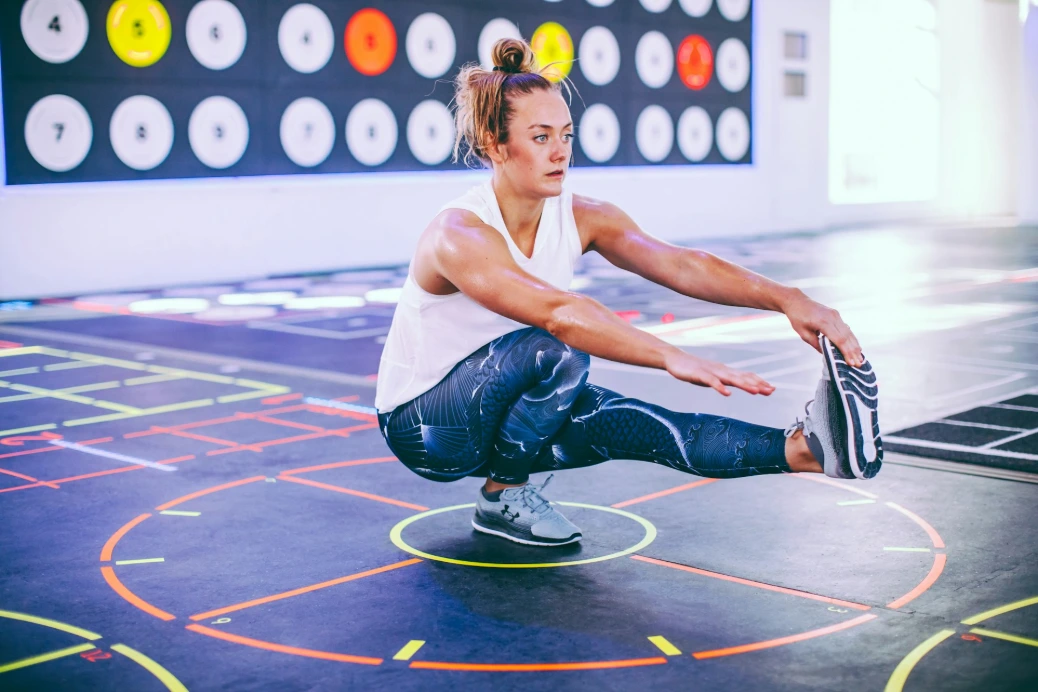
Compound exercises teach your muscles to work in harmony. This inter-muscular coordination is what we call "functional strength." When you squat, your core stabilizes your spine while your legs drive the weight up. This synergy is exactly what is required for daily activities and sports, reducing the risk of injury by ensuring no single link in the chain is disproportionately weak.
The Pillars of Multi-Muscle Training
To maximize your time at Train Hous Fitness, your routine should be built around these five pillars of movement.
The Squat: The King of All Exercises
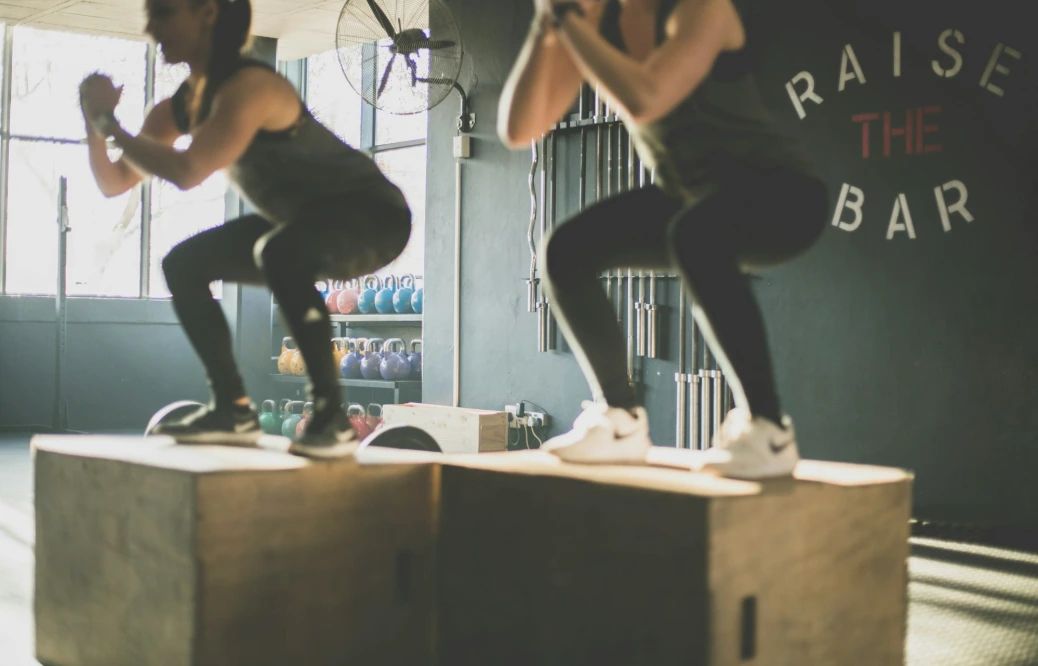
The squat is perhaps the most fundamental human movement. It primarily targets the quadriceps, hamstrings, and gluteus maximus, but it also demands significant stability from the erector spinae (lower back) and the entire core complex. Squatting improves hip and ankle mobility and builds the "prime movers" responsible for running, jumping, and standing up. Whether it’s a back squat, front squat, or goblet squat, this movement is non-negotiable for building lower-body power.
The Deadlift: The Ultimate Test of Strength
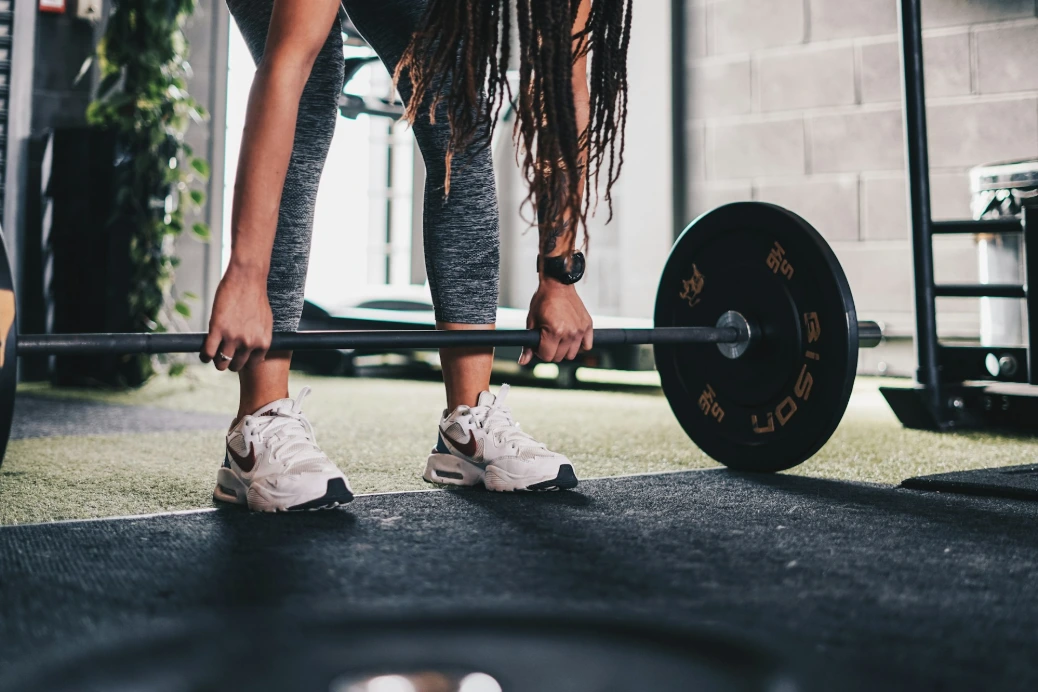
If the squat is the king, the deadlift is the architect of the posterior chain. Starting from a dead stop on the floor, the deadlift engages everything from your calves and hamstrings to your lats and grip. It teaches you how to hinge at the hips safely—a critical skill for protecting your back during daily chores. A strong deadlift translates to a powerful back and a resilient spine.
The Bench Press and Overhead Press: Upper Body Pushing
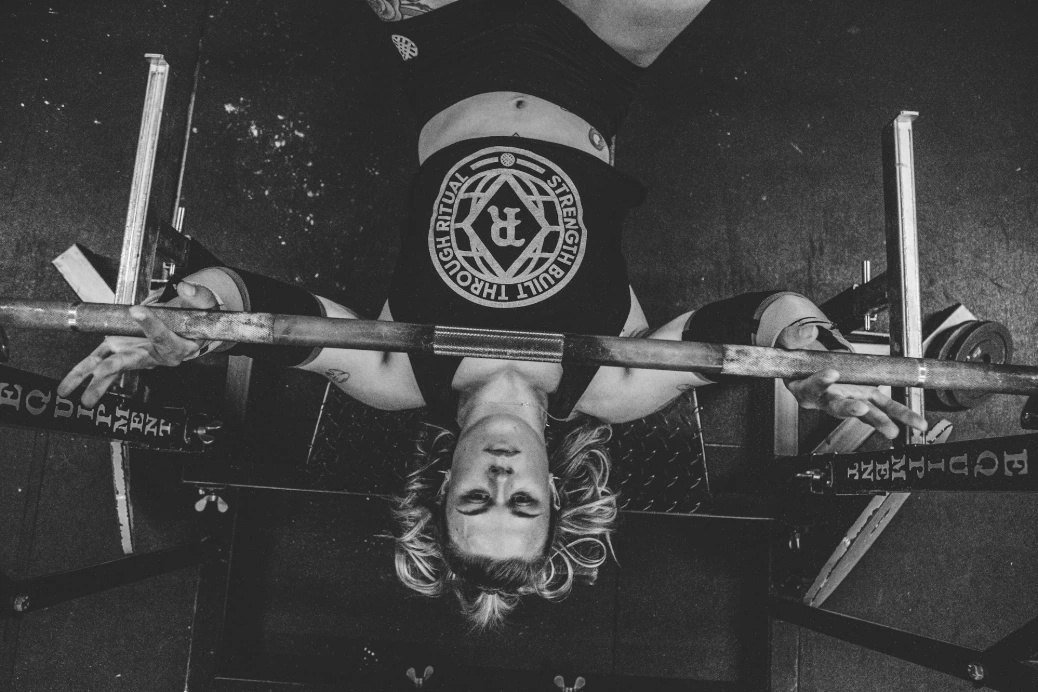
Vertical and horizontal pushing movements are essential for chest, shoulder, and triceps development. The bench press allows you to move heavy loads to build the pectorals, while the overhead press (military press) is the ultimate test of shoulder stability and core strength. Both exercises require the scapula (shoulder blades) to move correctly, ensuring long-term shoulder health when performed with proper form.
The Pull-Up and Row: Building a Solid Back
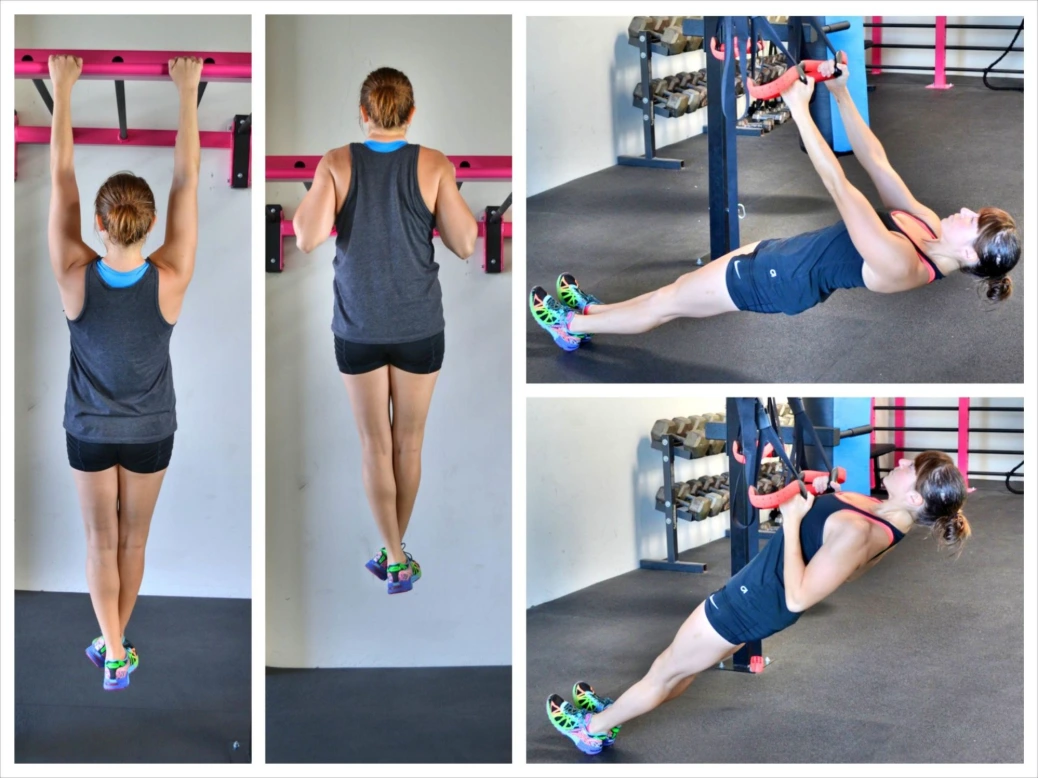
A balanced physique requires a strong back to counteract the "hunched" posture often caused by modern office work. Pull-ups and lat pulldowns focus on vertical pulling, engaging the latissimus dorsi and biceps. Rows (barbell, dumbbell, or cable) focus on horizontal pulling, targeting the rhomboids and traps to pull the shoulders back and improve posture. These movements are the key to a "V-taper" and a healthy, pain-free upper body.
The Lunge: Single-Leg Stability
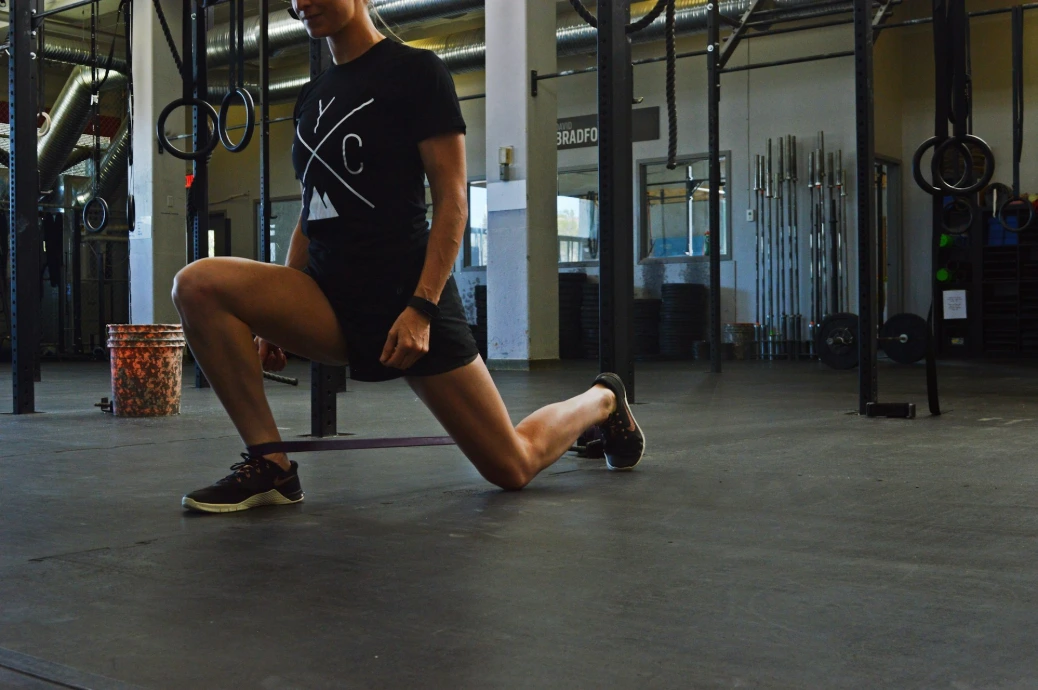
While often overlooked, the lunge is a powerhouse multi-muscle move. It addresses muscular imbalances by working one leg at a time while challenging your balance and core. Lunges target the glutes and quads intensely and are fantastic for improving athletic performance and stability.
Programming for Success
Knowing the exercises is only half the battle; the other half is how you organize them. For most individuals, a full-body routine performed three times a week, or an upper/lower split performed four times a week, is ideal. This allows you to hit these major compound lifts with enough frequency to see progress while providing ample recovery time.
At Train Hous Fitness, we recommend starting each session with your most demanding multi-muscle lift while your energy levels and focus are at their peak. For example, start with squats before moving on to lunges or leg curls. This ensures that you can move the heaviest weights safely and effectively.
The Importance of Form and Progression
With great power comes great responsibility. Because multi-muscle exercises allow you to move significant weight, proper technique is paramount. We always advise our members to "earn the right" to add weight. Master the movement pattern with bodyweight or light loads first. Once your form is locked in, use progressive overload—the gradual increase of stress placed upon the body during exercise. This could mean adding five pounds to the bar, performing one extra repetition, or slowing down the tempo of the movement.
Join Us at Train Hous Fitness
Embarking on a journey of strength can be daunting, but you don't have to do it alone. Our community at Train Hous Fitness is dedicated to helping you master these essential movements. We provide the equipment, the environment, and the expertise to ensure your training is as effective as possible.
Multi-muscle exercises are more than just a way to look better in the mirror; they are a way to reclaim your physical potential. They challenge your heart, your lungs, and your mind. By committing to the "big lifts," you are choosing a path of efficiency and long-term health.
Are you ready to transform your routine? Stop by Train Hous Fitness today, and let’s get under the bar. Whether you want to squat your bodyweight, perform your first pull-up, or simply feel stronger in your daily life, the journey starts with a single compound movement. Let's build a stronger you, together.